How to Make Onion, Garlic, Ginger, Tomato & Chilli Powder at Home (Dehydrator Method)
Share
Onion, garlic, ginger, tomato and chilli powders are some of the most useful things a food dehydrator can make. They save cooking time, they keep for months instead of days, and they take up a fraction of the space. For anyone selling value-added food, they are also among the easiest products to start with. This guide gives you one method that works for all of them, a chart with temperatures and drying times, how to grind and store powder so it does not clump, and the mistakes that spoil a batch.
Why Make Your Own Powders?
- Use the cheap season. When tomato or onion prices crash at the mandi, dry and powder the glut instead of watching it rot.
- Much less space. Clemson Cooperative Extension notes that about 20 pounds (roughly 9 kg) of fresh tomatoes dries down to about 18 ounces (roughly 0.5 kg) of dried slices, and that 1 tablespoon of tomato powder stands in for 1 medium tomato.
- Control what goes in. No fillers, colours or anti-caking agents unless you add them.
- A product you can sell. Powders, spice blends and chaat masala sell to homes, restaurants and spice makers. See our value addition guide for costing and licences.
What You Need
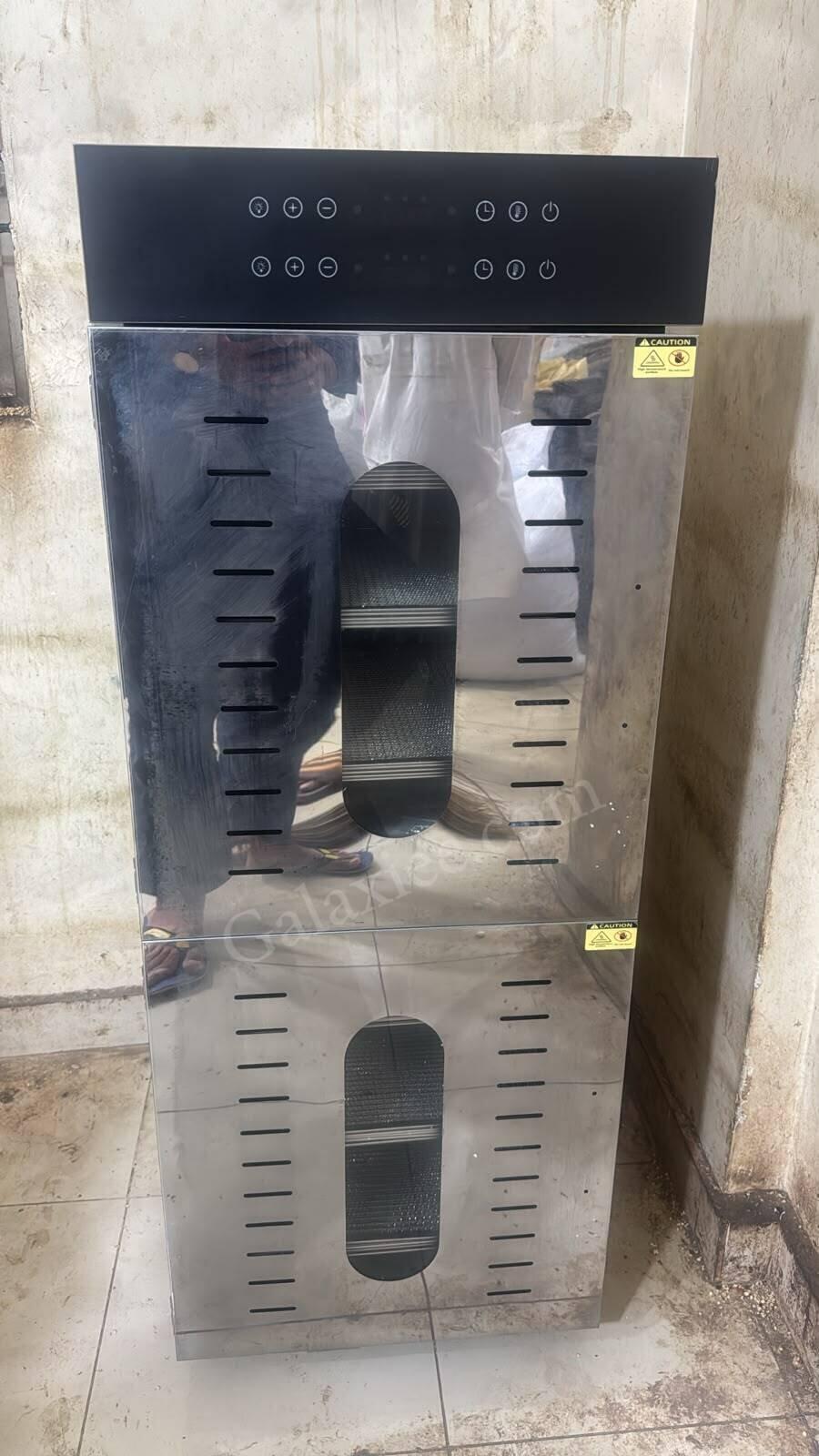
- A food dehydrator with an adjustable thermostat
- A sharp knife, mandoline or commercial food slicer for even slices
- Silicone dehydrator mats for minced garlic and small pieces that fall through trays
- A dry powder grinder – a wet-paste blender will not give a fine powder
- A fine sieve, dry airtight jars, and a vacuum sealer or heat-sealed pouches for stock
The Basic Method (Works for Every Powder)
- Wash and peel. Use firm, sound produce; drying does not fix rot.
- Slice thin and even – about 3 mm. For powder, crisp matters more than looks, so thinner is better.
- Pre-treat if needed. Tomatoes: dip in boiling water for about a minute so the skin slips off. Onion, garlic, ginger and chillies need no blanching.
- Load in a single layer with space for air to move.
- Dry until brittle at the temperature in the chart below. For powder, pieces must snap, not bend. Anything leathery will turn into paste and then clump or mould.
- Cool completely, then test again: a cooled piece should still snap cleanly.
- Grind in short bursts. Long, continuous grinding warms the powder and releases oils, which makes it cake. Pulse, rest, pulse.
- Sieve and regrind the coarse bits.
- Pack straight away into dry, airtight jars, filled close to the top, and label with the date. Powders pull moisture from the air quickly.
Powder Drying Chart
| Powder | Preparation | Temperature and hours | Notes |
|---|---|---|---|
| Onion (pyaz) | Remove skin, top and root; slice 3–6 mm | About 52–60°C; 3–9 hours | Dry on its own – the smell spreads to everything |
| Garlic (lehsan) | Peel; slice or chop finely; use mats for small bits | About 52–60°C; 6–8 hours | Dry separately; clean trays after |
| Ginger (adrak) | Peel; slice very thin | About 47°C; about 6–8 hours | Fibrous – sieve well and regrind |
| Tomato (tamatar) | Loosen skin in boiling water, peel, slice or quarter | About 57–60°C; 10–18 hours | Must be fully crisp; thick pieces stay sticky in the middle |
| Red and green chillies (mirch) | Stem; split or slice into rings | About 52–60°C; 8–12 hours | Wear gloves and a mask when grinding |
| Capsicum / paprika-style (shimla mirch) | Core and slice about 10 mm rings | About 52–60°C; 8–12 hours | Red capsicum gives the brightest colour |
| Spinach (palak) | Young leaves; blanch 1½ minutes | About 52–60°C; 8–10 hours | Grinds easily once crisp |
| Mint (podina), coriander (dhania), moringa (sohanjna) | Leaves only, rinsed and shaken dry | About 35–46°C; 1–4 hours | Low heat keeps the colour and aroma |
| Amchur (raw mango powder) | Unripe green mango, peeled, cut into thin strips | Dry like fruit, about 57–60°C, until strips snap | Thin strips dry far faster than ripe mango slices – check often and log your time |
Times depend on slice thickness, load and humidity. For 40+ more foods, see our full dehydrator temperature and time chart.
Powder-by-Powder Tips
Onion powder
Onion dries fast but stays slightly soft if the slices are thick. Separate the rings so they do not stack. For onion flakes instead of powder, stop the grinder after a few pulses.
Garlic powder
Slice cloves rather than mincing them if you can – slices are easier to handle and test. Garlic powder clumps more than most, so pack it in small jars.
Ginger powder
Peel with a spoon edge to save more of the ginger. Slices should snap with no bend at all. Ginger is fibrous, so sieve it and regrind what stays behind.
Tomato powder
Tomatoes hold a lot of water, so expect a small yield and long drying. Clemson Extension gives 1 tablespoon of powder as equal to 1 medium tomato, or to about half a cup of tomato purée when mixed with water.
Chilli powder and flakes
Remove seeds and white ribs for a milder powder. Grind in a ventilated room, with gloves and a mask, and do not touch your eyes. Clean the grinder well afterwards so the next product does not taste of chilli.
Amchur (dry mango powder)
Amchur is made from unripe green mangoes that are peeled, thinly cut and dried until brittle, then ground. It is traditionally sun-dried, but a dehydrator gives a cleaner product with no dust or insects. Sell it on its own or as part of a chaat masala blend.
Choosing a Powder Grinder
A powder grinder runs dry at high speed, so it turns brittle slices into fine powder rather than paste. The Super Crest stainless steel range at Galaxiee comes in several sizes:
- Home and testing: SCT-250g (1200W)
- Small business: SCT-400g, SCT-500g or SCT-1000g
- Regular production: SCT-2000g or SCT-3000g
Compare all sizes on the Super Crest powder grinder page. Whatever the size, grind in short bursts and do not overfill the jar.
How to Stop Powder From Clumping
- Dry until truly brittle, and test after cooling.
- Grind and pack on a dry day or in a room without steam from cooking.
- Use small, dry, airtight jars filled close to the top – less air means less moisture.
- For stock, vacuum seal the powder in an inner bag, or stop the vacuum early so powder is not pulled into the machine. See our vacuum sealer and storage guide.
- Store cool, dry and dark. Dried vegetables keep about half as long as dried fruit, and heat shortens storage further.
- If powder has lumped but shows no mould, spread it on a lined tray, re-dry briefly at low heat and regrind. If you see mould, throw it away.
Common Mistakes
- Grinding pieces that bend instead of snap – the result is paste, not powder
- Grinding while still warm
- Drying onion or garlic with fruit or herbs
- Using a wet blender jar that still holds water from washing
- Turning the heat up to save time – the outside hardens and the centre stays wet
- Storing powder in a big jar that gets opened every day
Frequently Asked Questions
Q: How do I make onion powder at home?
Slice onions 3–6 mm, dry at about 52–60°C until crisp (about 3–9 hours), cool, grind in short bursts, sieve and store airtight.
Q: How long does tomato take to dry for powder?
About 10–18 hours at 57–60°C, depending on slice thickness. It must be fully crisp before grinding.
Q: Can I make powder in a normal blender?
A small dry grinder jar works for small amounts. For fine powder and larger batches, a dedicated powder grinder is faster and gives a finer, more even result.
Q: Why does my garlic or onion powder turn hard?
It absorbed moisture. Dry the pieces more, grind when cool, pack immediately in small airtight jars and keep them away from steam.
Q: How much fresh tomato do I need for powder?
A lot. Clemson Extension's figure is about 9 kg of fresh tomatoes to roughly 0.5 kg of dried slices. Weigh your own first batch to know your yield.
Q: Can I sell homemade spice powders?
Yes, but packaged food needs a licence from your provincial food authority and proper labels. Our value addition guide links the Punjab and KP pages.
Get Set Up
Galaxiee supplies home and commercial food dehydrators, powder grinders, silicone mats and vacuum sealers across Pakistan. Tell us what you want to powder and how much per day on our contact page, and we will suggest a size.
Sources
- Clemson Cooperative Extension – Drying Vegetables (drying times, tomato yield and powder equivalents)
- University of Missouri Extension – Drying Foods (drying strong-smelling vegetables separately, case-hardening)
- Colorado State University – Drying Herbs
- Brod & Taylor – Ginger powder
- National Center for Home Food Preservation – Packaging and Storing Dried Foods